A bartender chooses ice as carefully as the spirit. The ice format sets the temperature, the dilution and even the look of the glass. This guide sums up the main types of ice and when to use each.
The role of ice in a cocktail
Ice does two things at once: it chills and it dilutes. In a shaken or stirred cocktail, the meltwater is an ingredient — it softens the alcohol and brings the flavours together. In a drink served over ice, the goal is the opposite: keep it cold with as little dilution as possible. So there is no “best ice”, only the right ice for each moment.
1. Standard cubes (Hoshizaki)
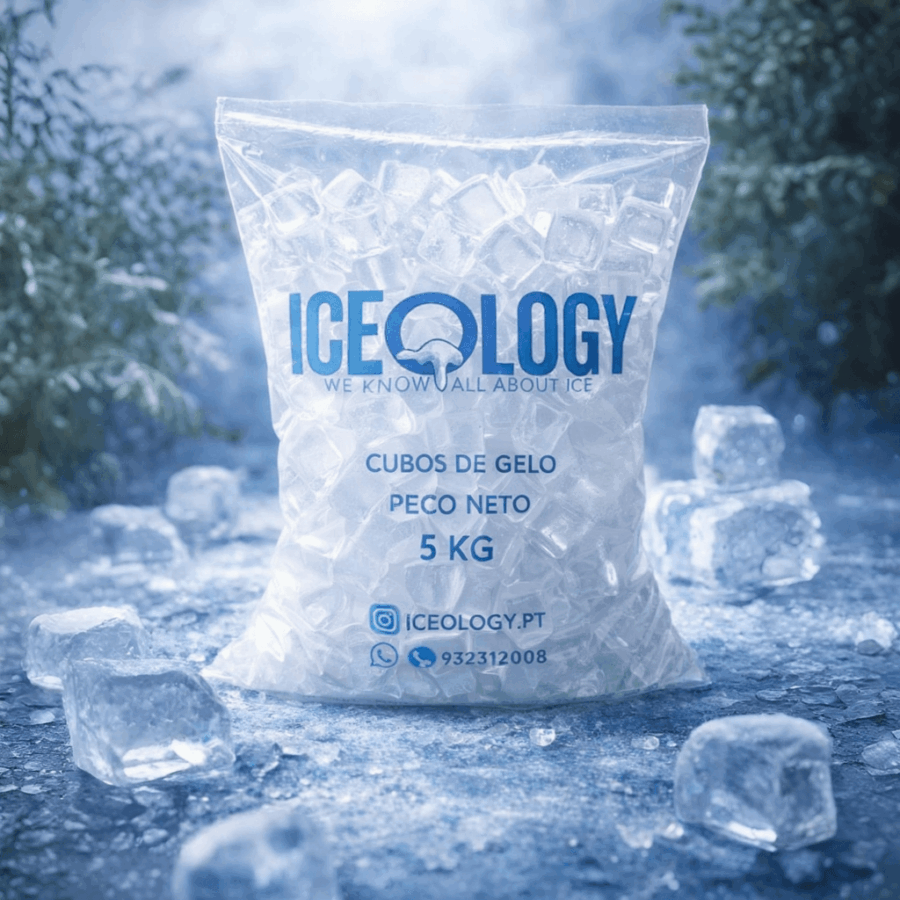
Hard, clear cubes of about 3 cm. The workhorse ice: for shaking, stirring in the mixing glass and serving soft drinks, juices and simple long drinks. See ice cubes.
2. Crushed ice (frappé)
Small fragments with lots of surface: they chill very fast and dilute more. Exactly what caipirinhas, mojitos, juleps and tiki cocktails call for. See crushed ice.
3. Sphere
The shape with the least surface for its volume. It melts slowly and is the theatrical choice for whisky and negroni in a rocks glass. See sphere ice.
4. Large cube (5 cm)
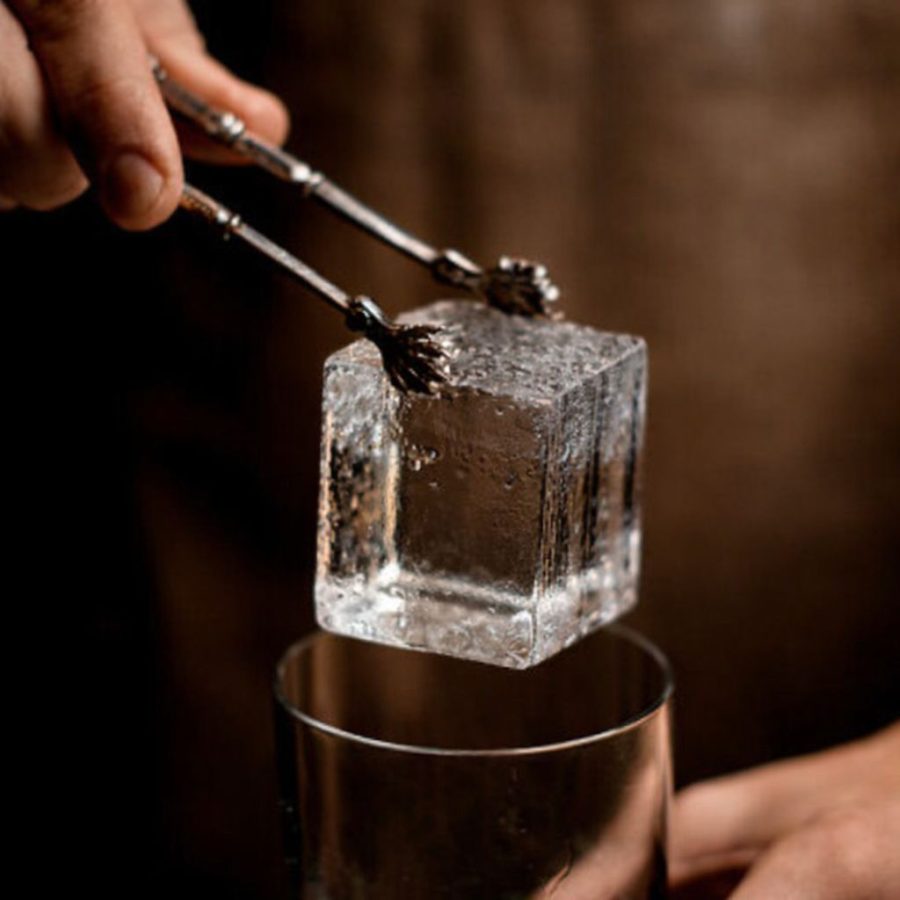
The old fashioned’s partner: a single clear cube that fills the rocks glass and dilutes very little. See large cube.
5. Rectangular
A 50 × 50 × 70 mm block for signature cocktails served over ice in medium glasses. See rectangular ice.
6. Collins / highball
A long spear for the tall glass: gin and tonic, highballs and Tom Collins stay cold top to bottom and fizzier. See Collins ice.
Quick table
| Cocktail | Ice for mixing | Ice in the glass |
|---|---|---|
| Margarita, daiquiri | cubes | no ice or cubes |
| Negroni | cubes | sphere or large cube |
| Old fashioned | cubes | large cube |
| Gin and tonic | — | Collins spear |
| Mojito, caipirinha | — | crushed ice |
| Whisky on the rocks | — | sphere |
One rule for all: clear ice
Whatever the format, cloudy ice has trapped air and impurities, cracks and melts unevenly. Find out why good ice is transparent and see all the types of ice we make.